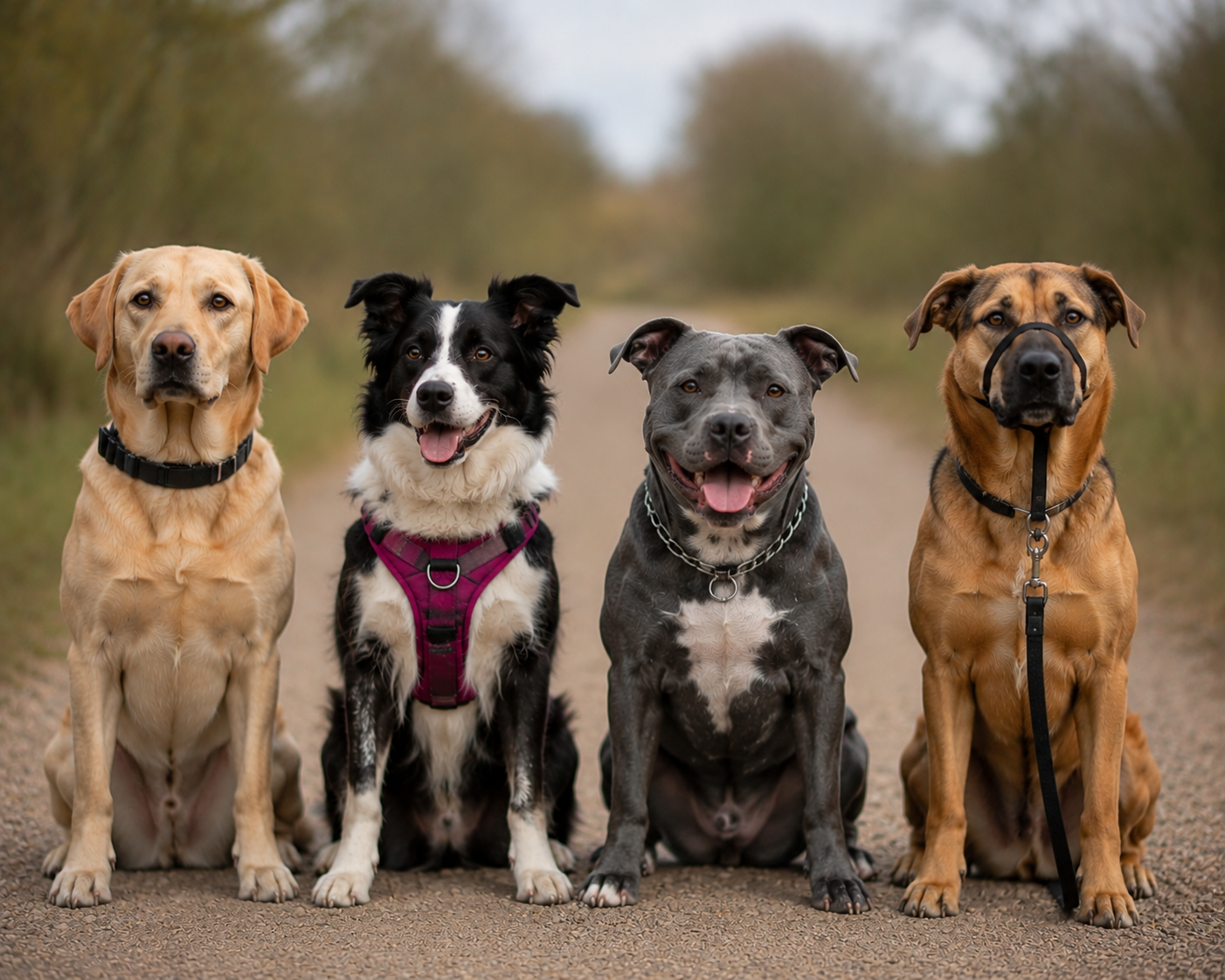
Lead walking is a learned skill that requires time, consistency, and clear communication. While collars, harnesses, head collars, and check chains can assist, no equipment replaces proper training.
This article explains how dogs learn loose-lead walking and outlines the pros and cons of common walking tools to help owners choose the safest option for their dog’s needs.
The first weeks after an IVDD episode are crucial for your dog’s recovery. Proper initial care and gentle rehabilitation can make a big difference in comfort, mobility, and progress. In this blog, we cover practical tips for bladder management, pain relief, and simple exercises to help your dog regain strength and confidence at home.
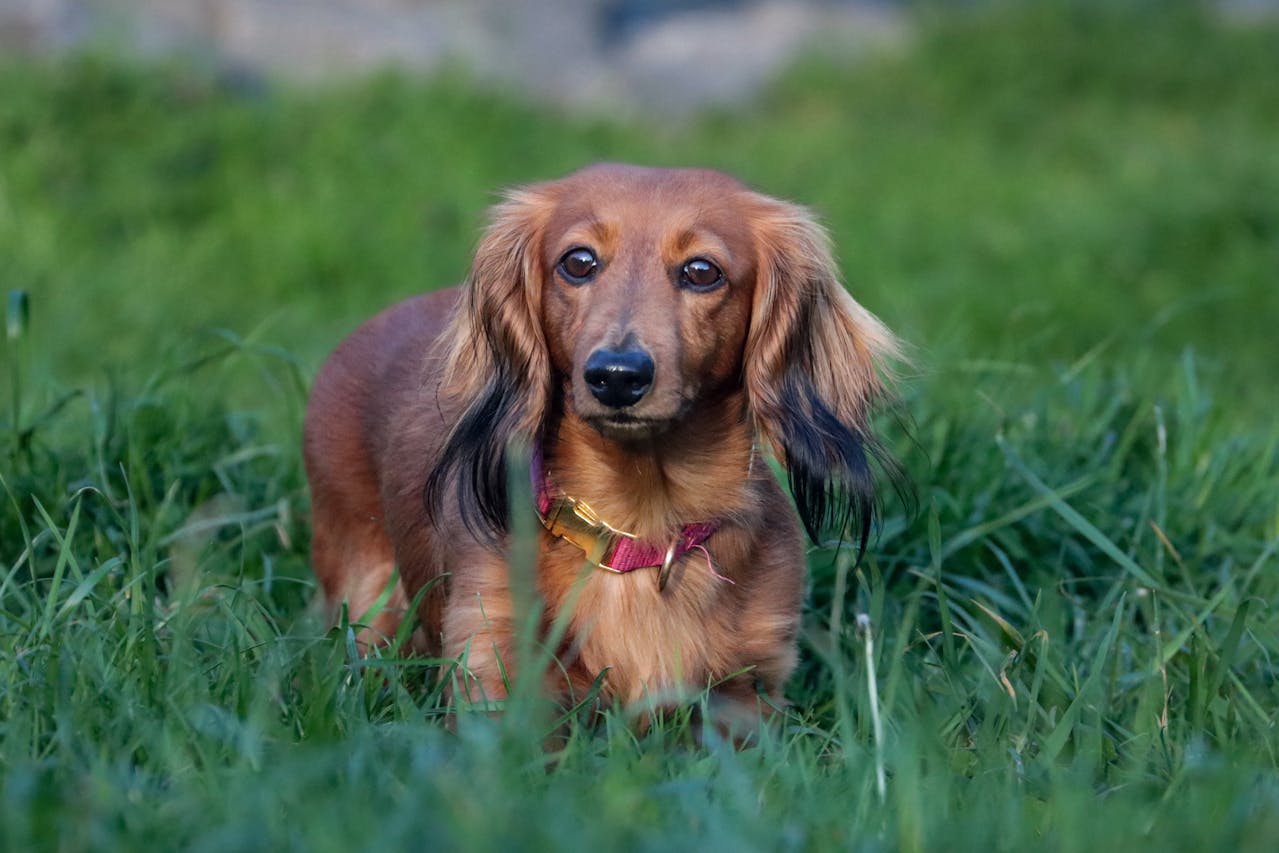
IVDD can be scary for Dachshund owners, but understanding your options makes all the difference. This blog breaks down when surgery or conservative care is recommended, what recovery really looks like, and why early rehabilitation is key to helping your dog regain mobility and comfort.
Discover everything dog owners need to know about IVDD in Dachshunds, a common spinal condition. This first article in our three-part series covers the causes of IVDD, early symptoms to watch for, the grading system, and how vets diagnose intervertebral disc disease, helping you protect your Dachshund’s health and mobility.
Cruciate ligament injuries are one of the most common orthopaedic conditions seen in dogs, not just affecting large or highly active breeds. If your dog has been diagnosed with a cranial cruciate ligament (CrCL) tear, surgery is often recommended but what happens before and after that procedure can make a huge difference to your dog’s recovery.
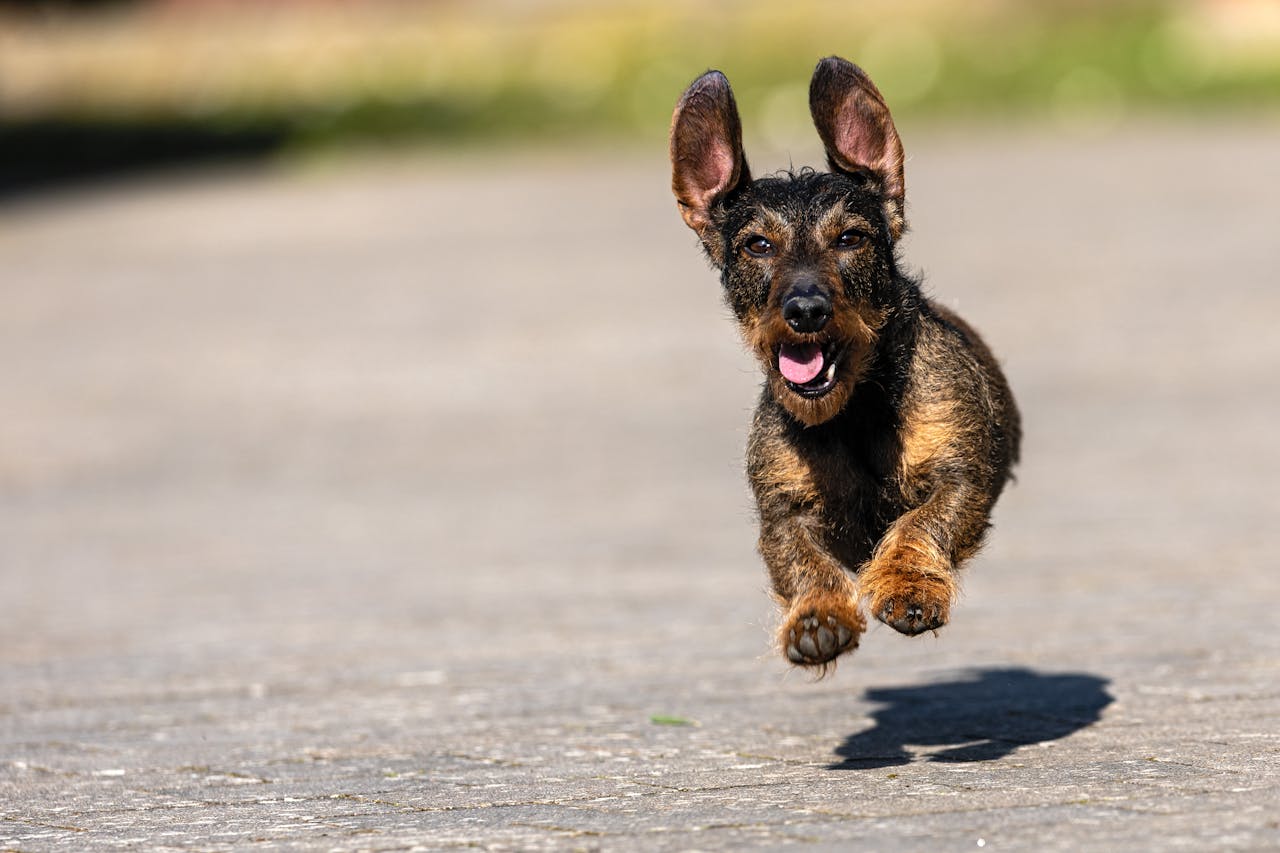
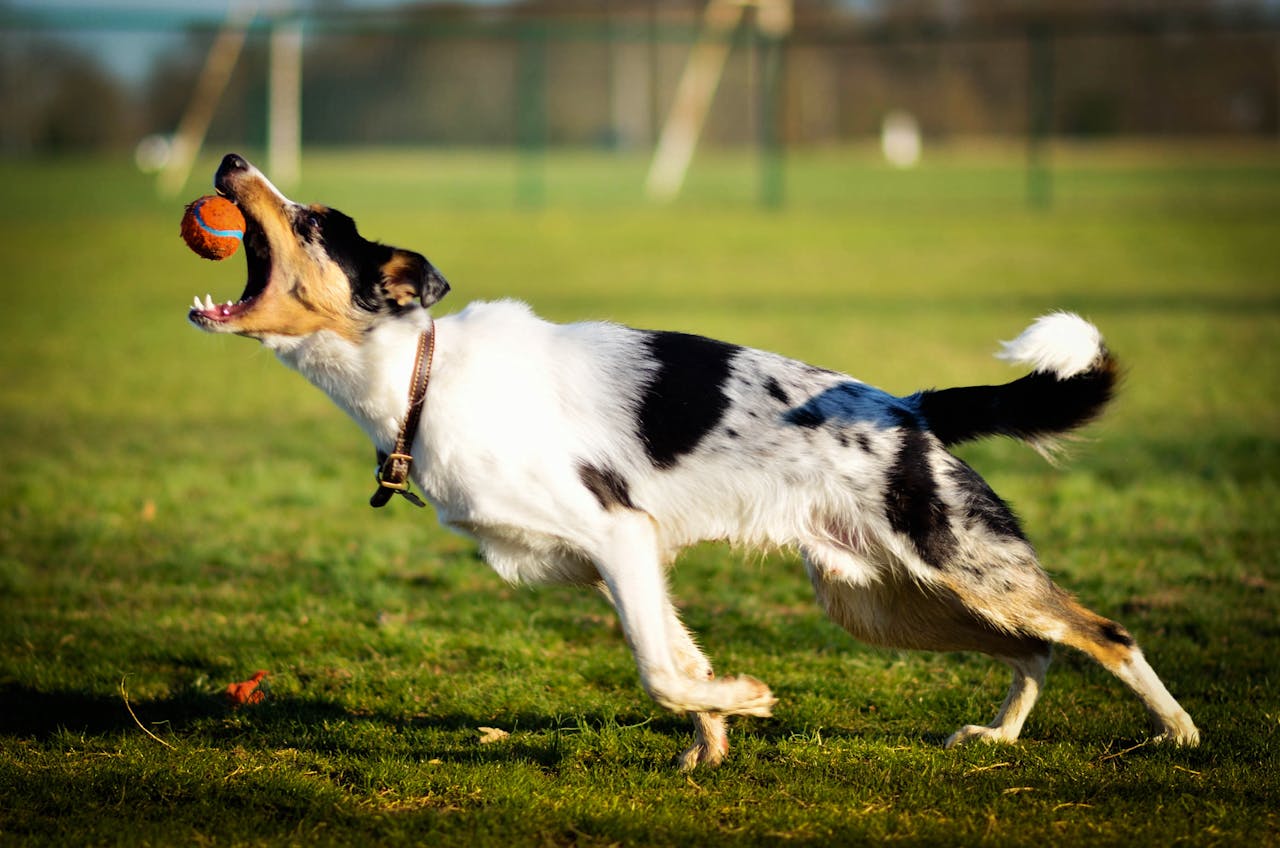
Find out why, from a behavioural and rehabilitation perspective, the common game of ball throwing may not be as harmless as it seems.
But don’t worry—I’m not here to take away the fun. I’ve also shared some engaging, dog-friendly alternatives so your ball-driven pooch can still enjoy playtime in a healthier, more balanced way.